Key Takeaway
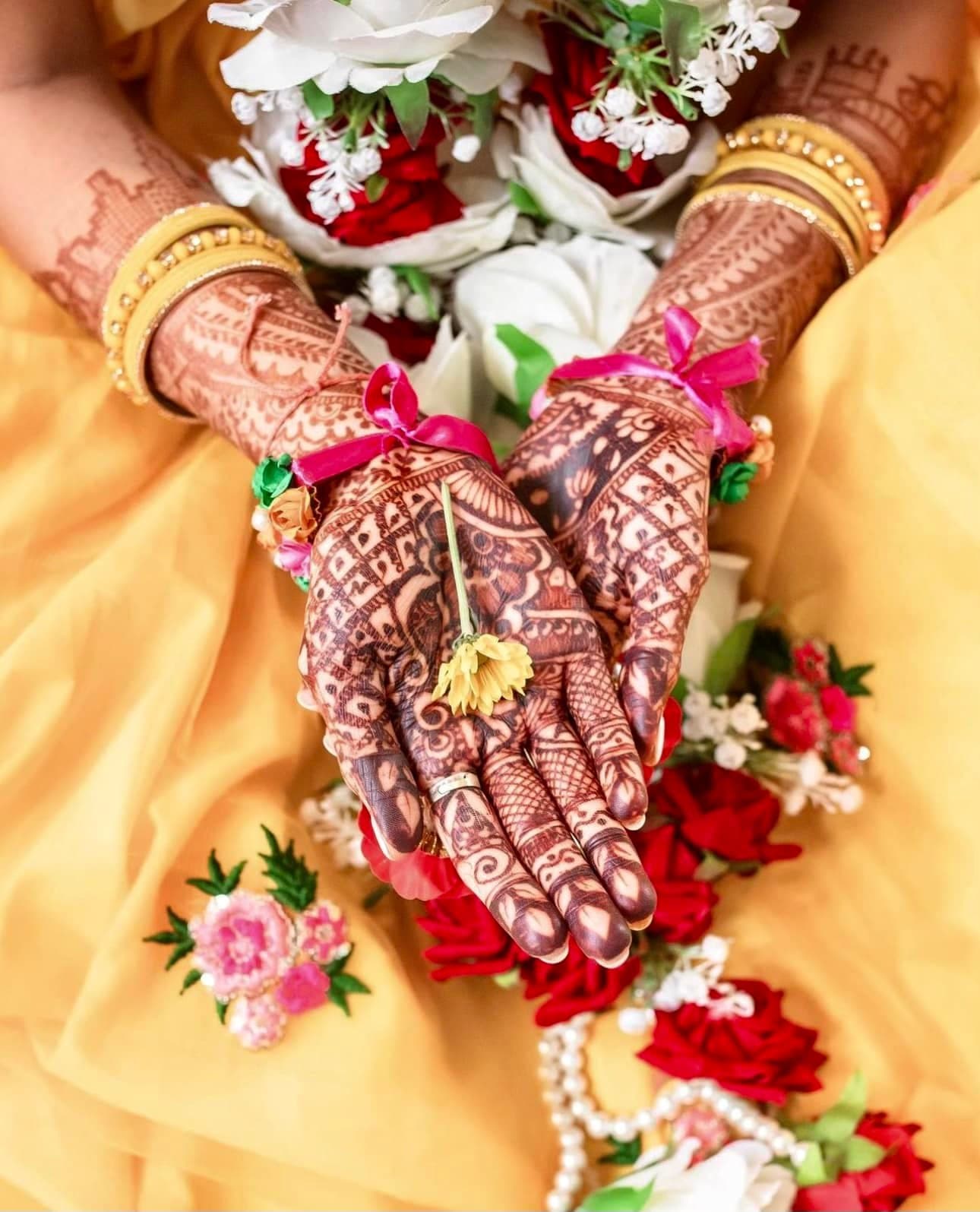
Indian bridal mehndi is a visual language with deep cultural roots. Each motif — paisleys (fertility), peacocks (love and beauty), lotus flowers (purity), mandalas (cosmic wholeness) — carries symbolic meaning documented in centuries of South Asian art history [1]. Understanding these symbols adds a meaningful layer to the wedding tradition.
Mehndi (henna body art) has been practiced in South Asia for over 5,000 years, with earliest evidence found in cave paintings and ancient texts [1]. In the context of Indian weddings, mehndi is not merely cosmetic adornment — it functions as a visual narrative, embedding blessings, cultural identity, and familial stories directly onto the bride's skin.
What Does the Paisley (Ambi) Motif Represent?
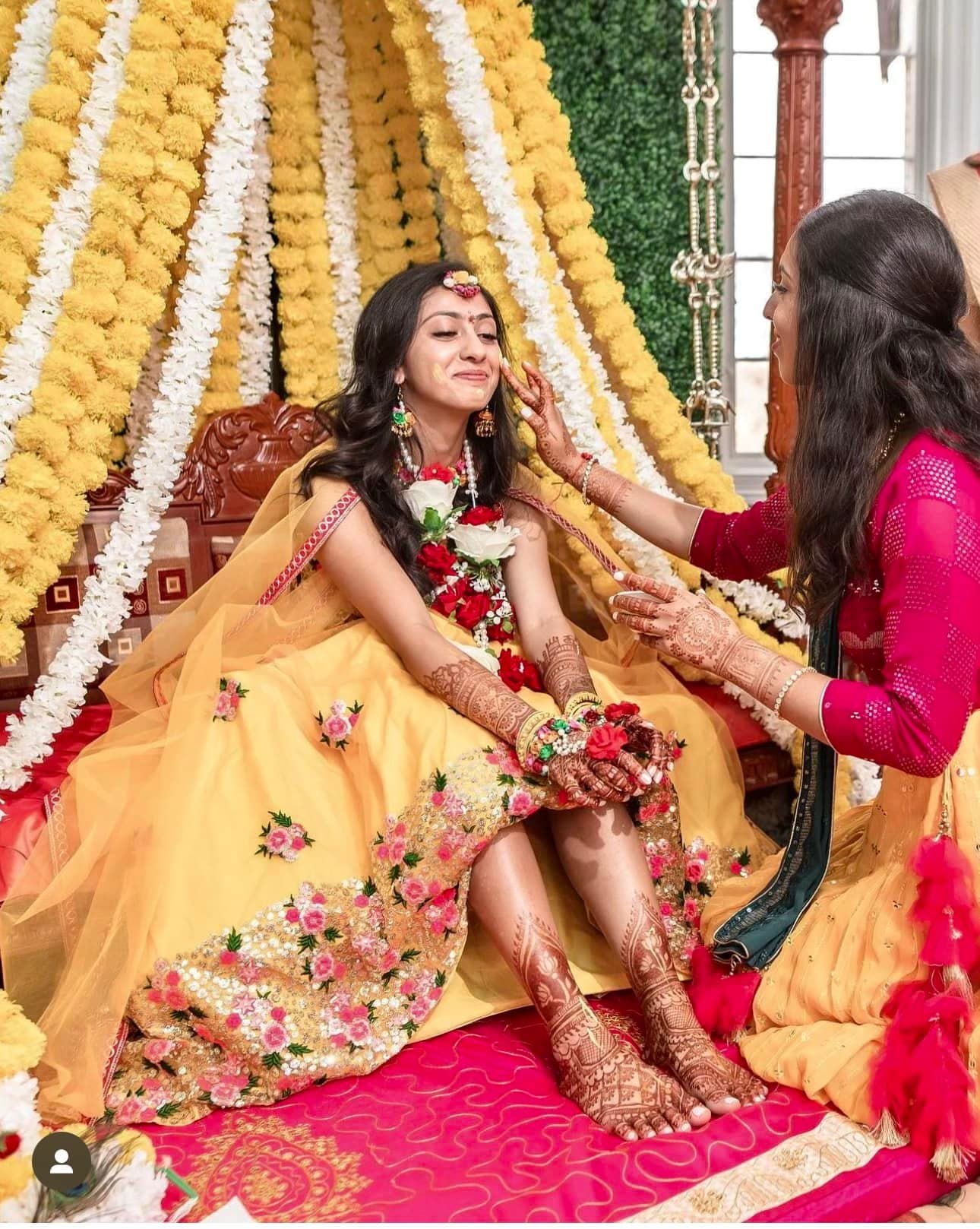
The paisley, known as ambi or kairi (raw mango) in Hindi, is among the oldest decorative motifs in Indian art. Art historians trace it to the Mughal period, though its origins likely predate that era [2]. In mehndi, the mango shape represents fertility, abundance, and new beginnings. Its teardrop form is thought to symbolize the seed of life — making it especially significant in bridal contexts.
What Do Peacock Motifs Symbolize in Mehndi?
The peacock (mor) holds a prominent place in Indian culture as the national bird and a symbol associated with Saraswati (goddess of knowledge) and Krishna [3]. In bridal mehndi, peacock motifs represent beauty, grace, and romantic love. Two peacocks facing each other is a common compositional element symbolizing the couple's union.
Why Is the Lotus Flower Significant in Wedding Henna?
The lotus (padma) carries profound meaning across Hinduism, Buddhism, and Jain traditions. It grows in muddy water yet blooms immaculately, making it a symbol of purity, spiritual awakening, and resilience [4]. In bridal mehndi, the lotus signifies the beginning of a new chapter — a life emerging in beauty despite challenges.
What Other Symbols Appear in Bridal Mehndi and What Do They Mean?
Bridal mehndi incorporates a rich vocabulary of symbolic elements, each rooted in cultural and religious tradition:
- Kalash (sacred pot): Represents abundance, prosperity, and auspicious beginnings in Hindu ceremonies [5]
- Mandala: Circular pattern symbolizing the universe, wholeness, and spiritual completeness
- Sun and moon: Represent eternal, unchanging love — the sun's constancy and the moon's devotion
- Bride and groom figures (dulha-dulhan): Depict the wedding couple and are common in North Indian styles
- Jaal (mesh/net pattern): Symbolizes catching the groom's heart; also represents interconnection
- Swastika: An ancient Sanskrit symbol meaning 'well-being' and 'good fortune,' used in Hindu, Buddhist, and Jain traditions for millennia [6]
- Hidden groom's name: A wedding night tradition in which the groom searches the bride's mehndi for his concealed name
Cultural context: The tradition of hiding the groom's name within the bride's mehndi is documented across North Indian and Gujarati wedding customs. It serves as both a bonding ritual and a lighthearted icebreaker on the wedding night [1].
Frequently Asked Questions
- What is the cultural significance of mehndi in Indian weddings?
- Mehndi is a pre-wedding ritual (often called the mehndi ceremony or mehndi ki raat) symbolizing joy, beauty, and the bond of marriage. Historically, the depth of the henna color has been culturally interpreted as an indication of the couple's love and the bride's good fortune [1].
- What does the paisley mean in henna designs?
- The paisley (ambi/kairi) represents fertility, good luck, and new beginnings. It is derived from the shape of a mango, which has been a symbol of abundance in South Asian art and textiles for centuries [2].
- Why do brides hide the groom's name in mehndi?
- This is a North Indian and Gujarati wedding tradition where the groom's name or initials are woven into the intricate mehndi design. On the wedding night, the groom must find his name. Folklore suggests that the ease of finding it reflects the couple's future compatibility [1].
- How old is the tradition of bridal mehndi?
- Archaeological and textual evidence places henna use in South Asia at over 5,000 years. Mehndi as a bridal tradition is documented in texts from the Mughal era (16th century onward), though its origins in wedding ceremonies likely extend much further [1][2].
References
- Cartwright-Jones, C. (2006). Henna's Secret History: The History, Mystery, and Folklore of Henna. TapDancing Lizard Publications.
- Gillow, J., & Barnard, N. (2014). Indian Textiles. Thames & Hudson. (History of paisley and mango motifs in Indian decorative arts.)
- Dehejia, V. (2013). The Body Adorned: Sacred and Profane in Indian Art. Columbia University Press.
- Coomaraswamy, A.K. (1971). Elements of Buddhist Iconography. Munshiram Manoharlal Publishers. (Lotus symbolism in South Asian religion.)
- Eck, D.L. (2012). India: A Sacred Geography. Harmony Books. (Cultural significance of the kalash and sacred symbols.)
- Dallapiccola, A.L. (2002). Dictionary of Hindu Lore and Legend. Thames & Hudson. (Swastika etymology and use in Hindu tradition.)